

An Introduction To Scolymia (Homophyllia australis) Care
Guest Writer6 days ago
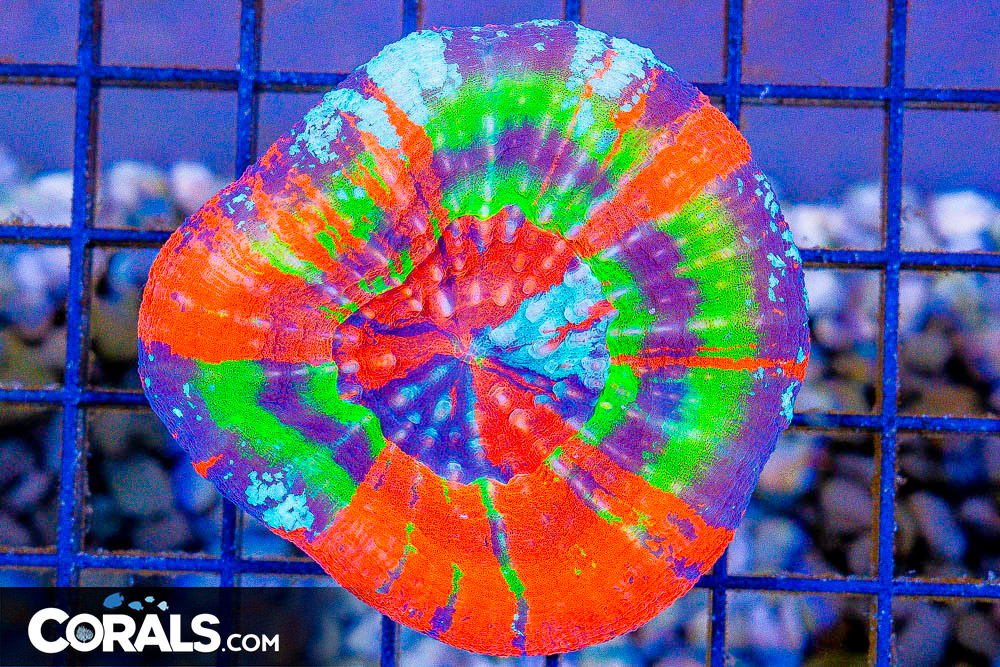
While these corals have been reclassified as “Homophyllia australis,” they’re still commonly known as Scolymia in the trade. These vibrant, circular corals are renowned for their show-stopping appearance and relatively easy care requirements, making them popular for Reefers. Most Scolys in the reef hobby usually come from the shallow waters surrounding Australia and the Great Barrier Reef. They grow in areas with lower to moderate water flow and lighting.
Scolys will thrive in your reef, given the right conditions and nutrition. Which, thankfully, is fairly easy to achieve! Scolys aren’t typically very picky when it comes to lighting, but moderate to lower lighting is plenty to keep them happy. Too much lighting can cause bleaching, while too little lighting may inhibit their long-term health. Proper water flow is essential for Scolys, as it prevents detritus buildup on top of their flesh. However, excessive flow can stress them out and damage flesh, so a moderate and indirect water flow is recommended. Scolymia thrive in tank temperatures from 76 to 78 degrees Fahrenheit. Be sure to keep salinity stable between 1.025 and 1.026 specific gravity. When it comes to alkalinity and calcium, they will do well between 8-12 dKH for alkalinity and 400-500 ppm for calcium. Magnesium should be kept between 1250-1350 ppm. These parameters are all very crucial in promoting both coral and skeletal growth.
For more information, please go to:
An Introduction To Scolymia (Homophyllia australis) Care | Reef Builders | The Reef and Saltwater Aquarium Blog
Let’s talk Scolymia Care! Scolymia, or Scoly for short, are an extremely well-known and popular LPS coral in our hobby! While these corals have been reclassified as “Homophyllia australis…
reefbuilders.com